Don't Believe Everything You Read About the Property Market
.webp)
If you've scrolled social media, watched the news or read a newspaper lately, you'll have seen the headlines. Australia's property market is apparently in trouble.
"Property market plummets as pricing downturn spreads."
"Australia's property market is officially in a downturn."
"Housing market downturn spreads across country as property price decline deepens."
It's enough to make any property investor nervous. But before you panic, it's worth looking past the headlines because the full picture tells a very different story.
There's no such thing as "the Australian property market"
Here's the problem with headlines like these: they treat Australia as one single, uniform property market. In reality, that couldn't be further from the truth.
When reading these headlines, it’s important to remember that there are markets within markets. For example, nationally, by state, by region, by capital city, and right down to individual suburbs, and even pockets in suburbs.
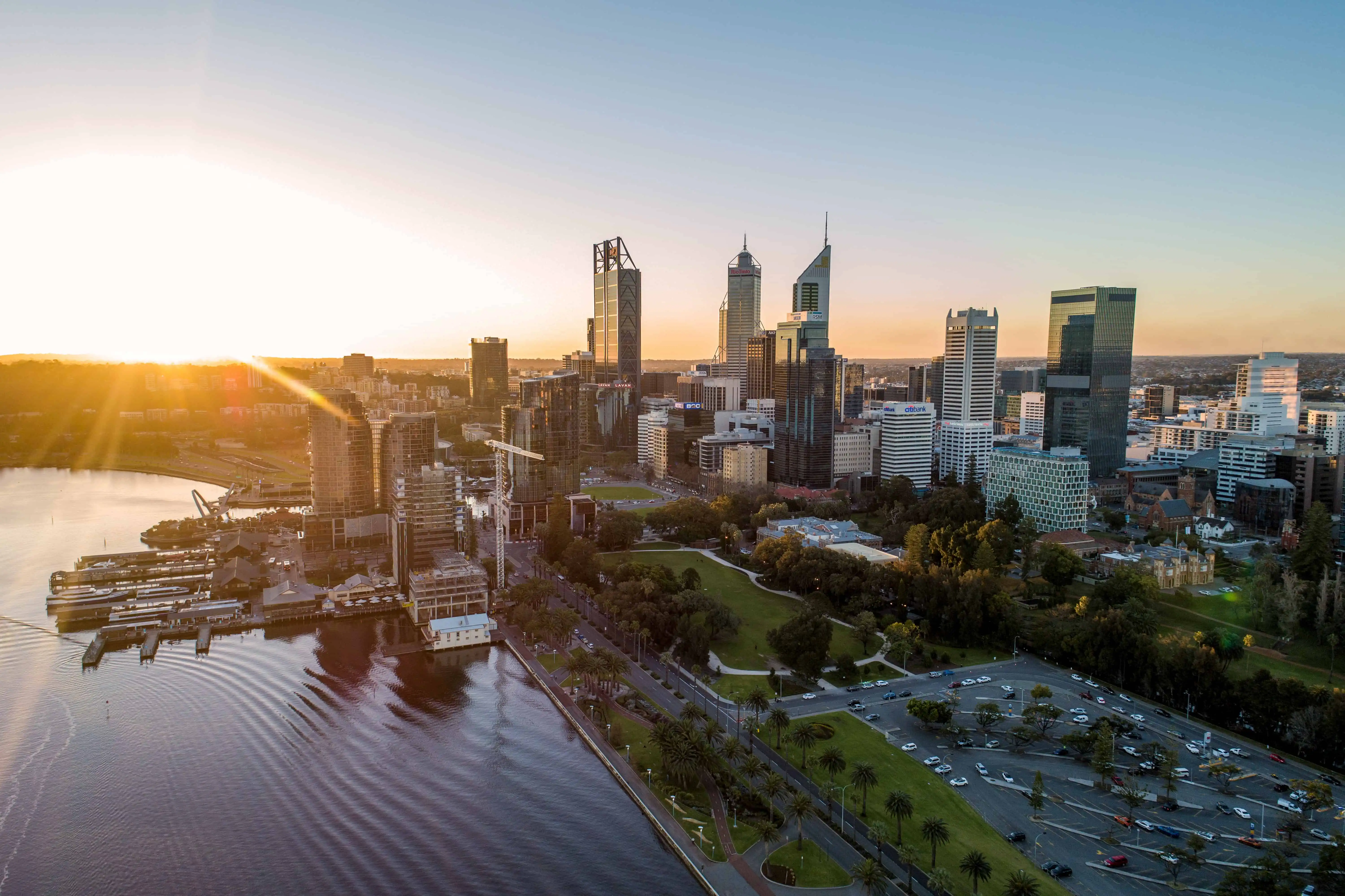
An inner-city apartment in Melbourne and a family home on a 700sqm block in a blue-chip riverside Perth suburb are two completely different investments, moving to two completely different rhythms.
Lumping them all together under one dramatic headline tells you almost nothing about what's actually happening to your own investment.
Why the headlines feel more alarming than ever
The 24-hour news cycle isn't new. But social media, smartphones and our collective habit of scrolling have supercharged it.
According to the University of Canberra's Digital News Report: Australia 2026, social media is now Australia's second most-used news source (56%), just behind television (57%).
The same report found that 56% of Australians now check the news more than once a day, up from 48% in 2023, and four in ten news consumers (43%) are getting their news from individual creators and influencers rather than mainstream outlets.
In other words, we're no longer seeing these headlines once a day with the morning paper or the evening bulletin.
They're in front of us constantly. And that repetition can make things feel far more dramatic than they actually are.
So what's really happening?
Despite the doom and gloom, property prices aren't exactly plummeting right now.
Even in the softer markets of Sydney and Melbourne, the latest Cotality data shows prices have fallen 3-4% over the past three months, and just 2-3% over the past year.
Zoom out further, and both cities are only around 5% below their most recent peaks – hardly a freefall as some headlines suggest.
The smaller capitals of Brisbane, Perth and Adelaide are also starting to slow, recording quarterly price movements of -0.6%, -0.3% and +0.1% respectively.
But context is everything here: all three cities recorded double-digit growth over the past year, a pace that was never going to last.
A period of cooling isn't the same thing as a collapse.
The honest answer is that nobody knows exactly how far these markets will move from here.
And as we've already established, markets within markets exist even at a capital city level, which means some properties will have actually gone up in value over the same period the headlines are calling a "downturn."
Our advice? Look past the headlines
Wherever your investment property is located, it's worth tuning out the national noise and finding out what's genuinely happening in your specific suburb.
And remember, property markets are cyclical by nature, so ebbs and flows in their prices are natural.
Holding for the long term, and letting compound growth do the heavy lifting, is where real wealth is built.
Ready to get Started?
Talk to our team today and find out how we can help maximise your property's return.
.webp)
.webp)